What "light housekeeping" covers — and what it doesn't
Light housekeeping is the day-to-day work that keeps a home livable, safe, and clean enough that your parent can move through it without effort or risk. It is the maintenance layer — not the deep cleaning service that comes in twice a year and not the major project that requires a contractor. The right way to think about it: light housekeeping makes sure the home does not slowly slide into the kind of mess that becomes overwhelming to recover from.
What it covers in a typical visit:
- •Tidying the kitchen — counters, table, sink, dishes washed and put away
- •Wiping high-touch surfaces — doorknobs, faucet handles, light switches, remote controls
- •Light vacuuming, sweeping, and mopping the rooms in regular use
- •Changing the bed linens and remaking the bed
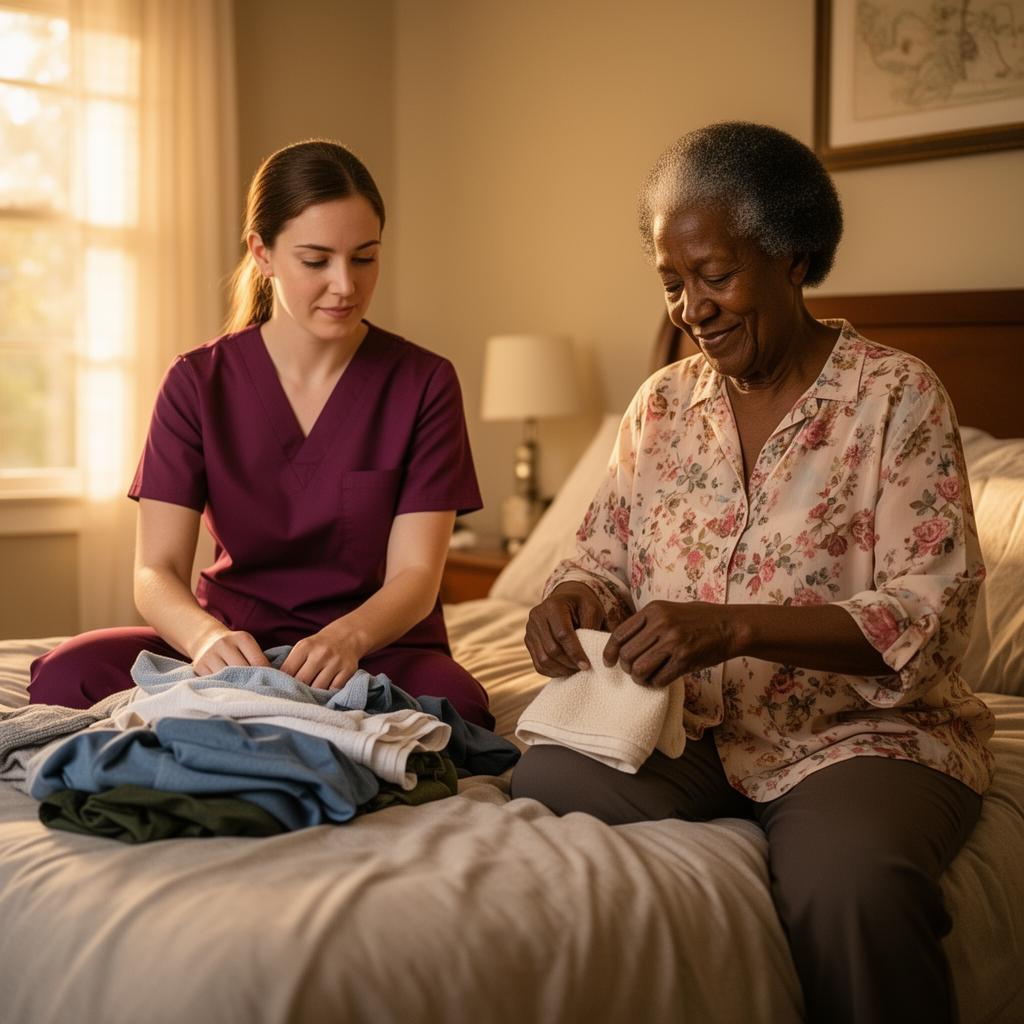
- •Laundry — wash, dry, fold, and put away
- •Taking out the trash and recycling, putting bins to the curb on collection day
- •Watering plants and refilling the pet's bowl
- •Putting groceries away and rotating the fridge and pantry (oldest forward, expired tossed)
- •Tidying the living areas — folding throws, fluffing pillows, putting away mail
What it does not cover: heavy, deep, or specialized cleaning. Moving heavy furniture, washing exterior windows, scrubbing baseboards, cleaning out the garage or attic, carpet shampooing, oven deep-cleans, mold remediation, hoarder cleanups. Those are jobs for a dedicated cleaning service or a specialized contractor. We handle the daily and weekly work that keeps the home running between those bigger interventions.
Why a tidy home matters far beyond appearance (safety, dignity, mental health)
Families sometimes hesitate to add housekeeping to a care plan because it feels like a luxury — "the house just needs to be clean enough." In a senior's home, the difference between "clean enough" and actually clean is much more consequential than it sounds.
- •Safety — cluttered floors and tripping hazards cause falls. A walking path that has slowly disappeared under stacks of mail and shoes is a fall waiting to happen.
- •Health — old food in the fridge causes foodborne illness. Unwashed laundry and bedding cause skin infections and pressure injuries. A bathroom that is not regularly cleaned breeds urinary tract infections, which in older adults often present as confusion that looks like dementia.
- •Dignity — most older adults have kept their homes a particular way their whole lives. When the home starts to feel out of their control, the shame is real and corrosive. Visitors stop coming. The senior stops inviting people. Isolation deepens.
- •Mental health — the visual environment affects mood. A tidy, calm home reduces anxiety; a chaotic one increases it, especially for someone with cognitive change.
- •Family relationships — adult children visiting a home that has slipped often respond with panic and pressure, which sets up exactly the kind of confrontation everyone is trying to avoid. A maintained home keeps those relationships healthier.
The cleaning tasks our caregivers handle every visit
Some tasks are part of every visit, regardless of what else is on the schedule. These are the maintenance items that prevent the home from slipping between visits:
- •Dishes washed (or loaded into the dishwasher) and counters wiped
- •Trash emptied if more than half full
- •Quick check of the bathroom — wipe the sink, the toilet seat and rim, the shower if it was used during the visit
- •Bed made if your parent is up for the day
- •A walking-path sweep of any room used during the visit, picking up anything on the floor
- •Laundry tossed in if there is enough for a load (and folded later in the visit if dry)
- •Mail brought in and sorted into a single tidy pile
The other tasks rotate through the week so the whole house gets attention without any single visit feeling rushed. Vacuuming on Mondays, bathroom deep-clean on Wednesdays, linens on Fridays — that kind of pattern. The schedule is built around your household's rhythm, not a generic checklist.
Need help keeping the house? Let's start with a free visit.
Laundry, linens, and bathroom care
Three areas of housekeeping deserve special attention because they affect health most directly, and because they are the areas where families most often see decline first.
Laundry — for many seniors, the laundry room becomes inaccessible long before the rest of the house does. If the washer is in the basement and the stairs are no longer safe, laundry simply stops. Our caregivers carry the basket, run the loads, fold, and put away. For clients with incontinence, we handle the additional laundry load (often three to five times what a typical household generates) without making it a thing.
Linens — bed sheets and bath towels need to be changed weekly, more often if there is incontinence or skin issues. This is one of the easiest tasks to slip when arms get weaker, and one of the most important for skin health and sleep quality.
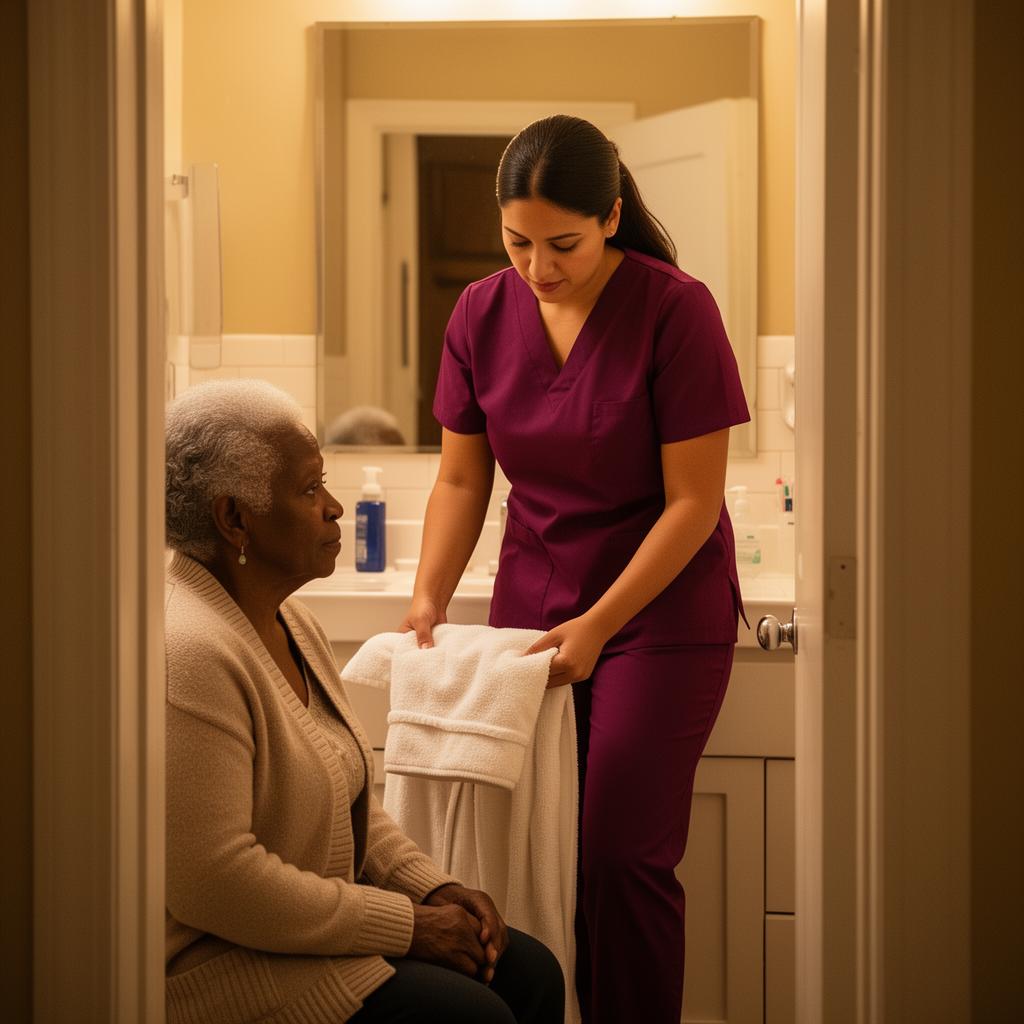
Bathroom — beyond regular cleaning, the bathroom is where most fall risks hide. Our caregivers are trained to keep the bathroom not just clean but safe — bath mat positioned correctly, grab bars wiped down so they grip well, shower bench dried, no puddles left after a shower. Our fall prevention guide explains why the bathroom is the highest-risk room in the home.
When you need housekeeping vs. a deep-clean service
If the home has slipped significantly — major clutter, old food problems, deferred bathroom and kitchen cleaning — the right starting move is often a one-time deep clean from a dedicated cleaning service, then ongoing light housekeeping from us to maintain the reset. Many families try to do the recovery cleaning themselves with caregiver hours and end up paying for hours that would have been more efficient as a single deep-clean visit.
We are happy to recommend reputable cleaning services in the Baton Rouge area for the deep clean, then take over the maintenance from there. Trying to use ongoing care visits to dig out from a deep slide rarely works — caregivers are not equipped for that scope, and the time it takes pulls them away from the personal care, companion, and meal work that matters more.
How our caregivers respect your parent's home
A senior's home is the place they have built over decades. The way the dishes go in the cabinet, the side of the bed she has slept on for 40 years, the chair he has always sat in — none of those are negotiable, and none are ours to change. Our caregivers are trained to learn the home and respect it, not to impose efficiency on it.
- •We learn how the household runs in week one and follow that pattern, not a generic system
- •We do not move things unless asked, and we put things back exactly where they were
- •We do not throw anything away without permission — even mail that looks like junk to us
- •We do not rearrange furniture, kitchen items, or closets
- •We ask before doing anything that touches personal belongings beyond surface tidying
- •We protect the privacy of the rooms your parent does not want us in
- •We never bring our own opinions about how a home "should" look into the home we are working in
When meal prep, light housekeeping, personal care, and companion care are combined in a single visit (which is how most of our care actually works), the experience for your parent is not a series of tasks being completed — it is a calm, familiar person who is part of the rhythm of the day.