The terms families confuse most (and what each actually means)
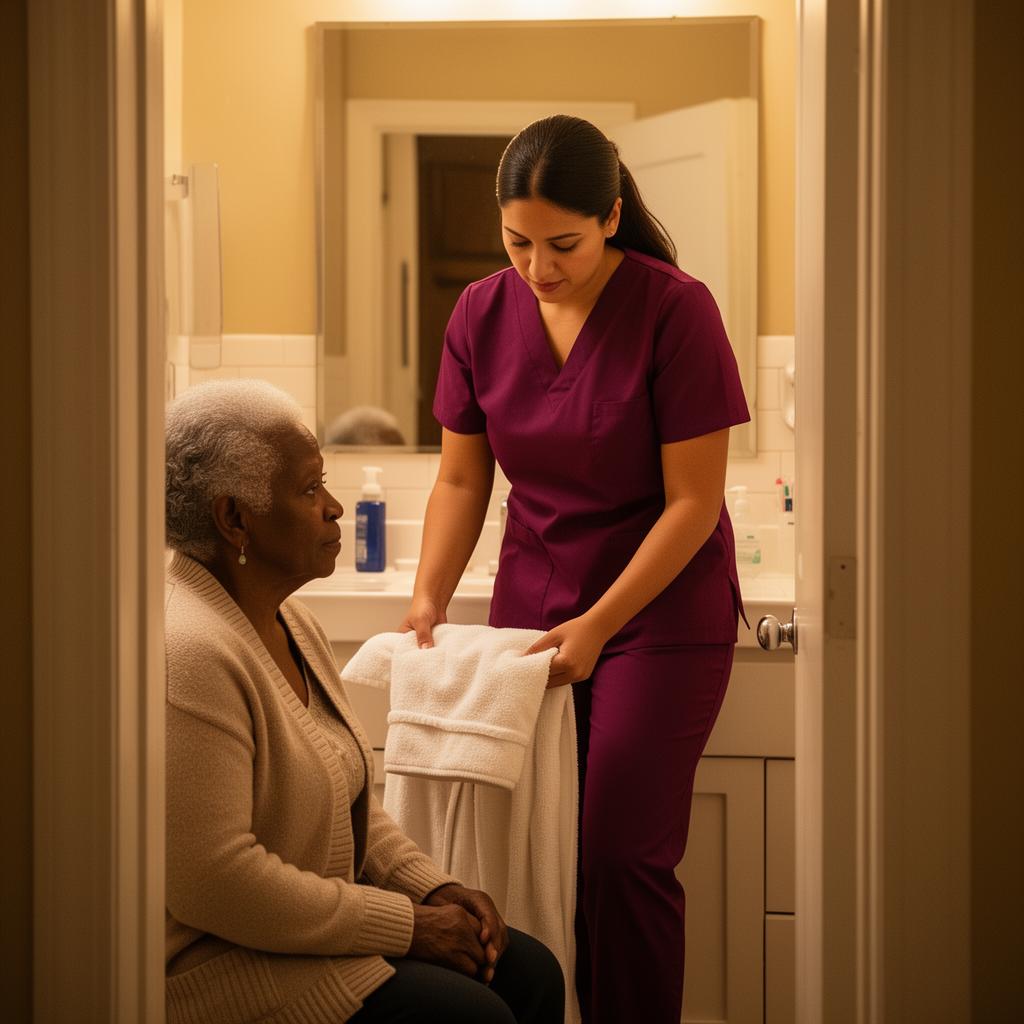
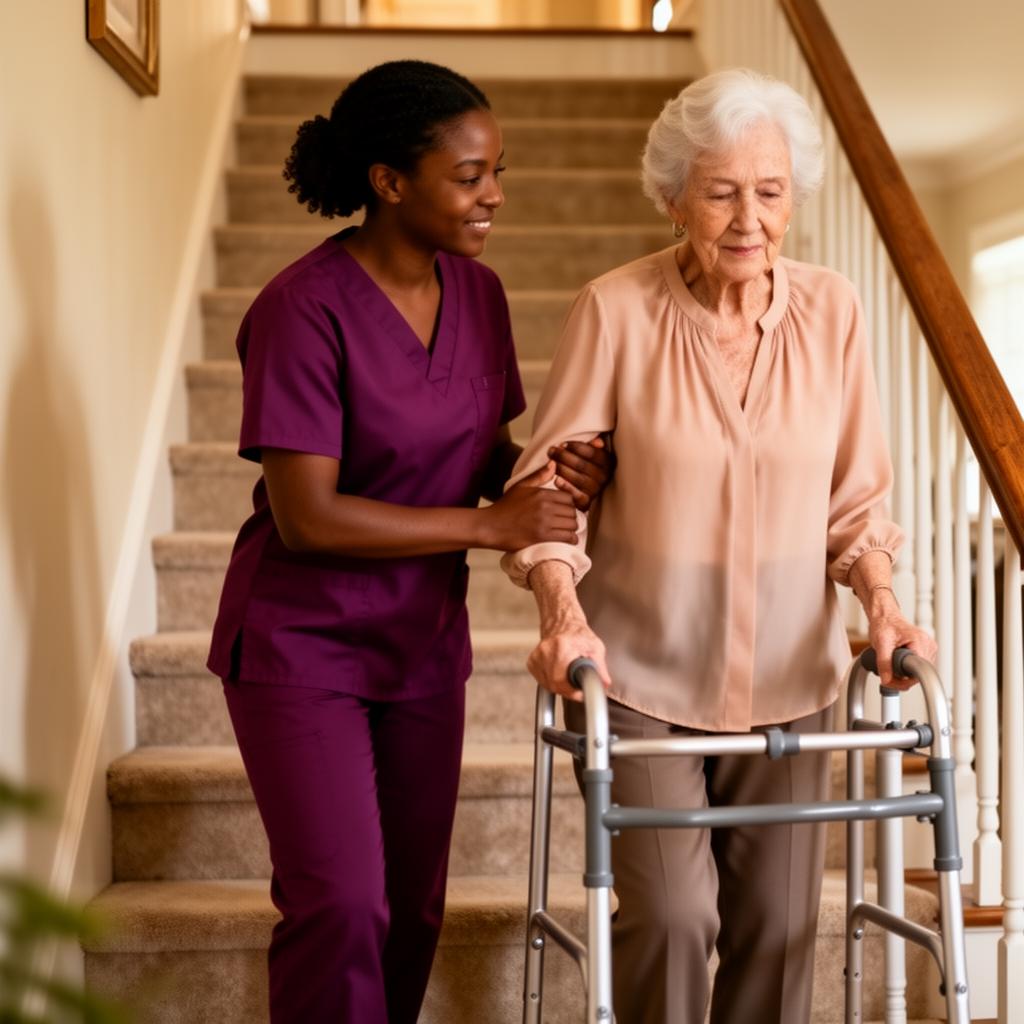
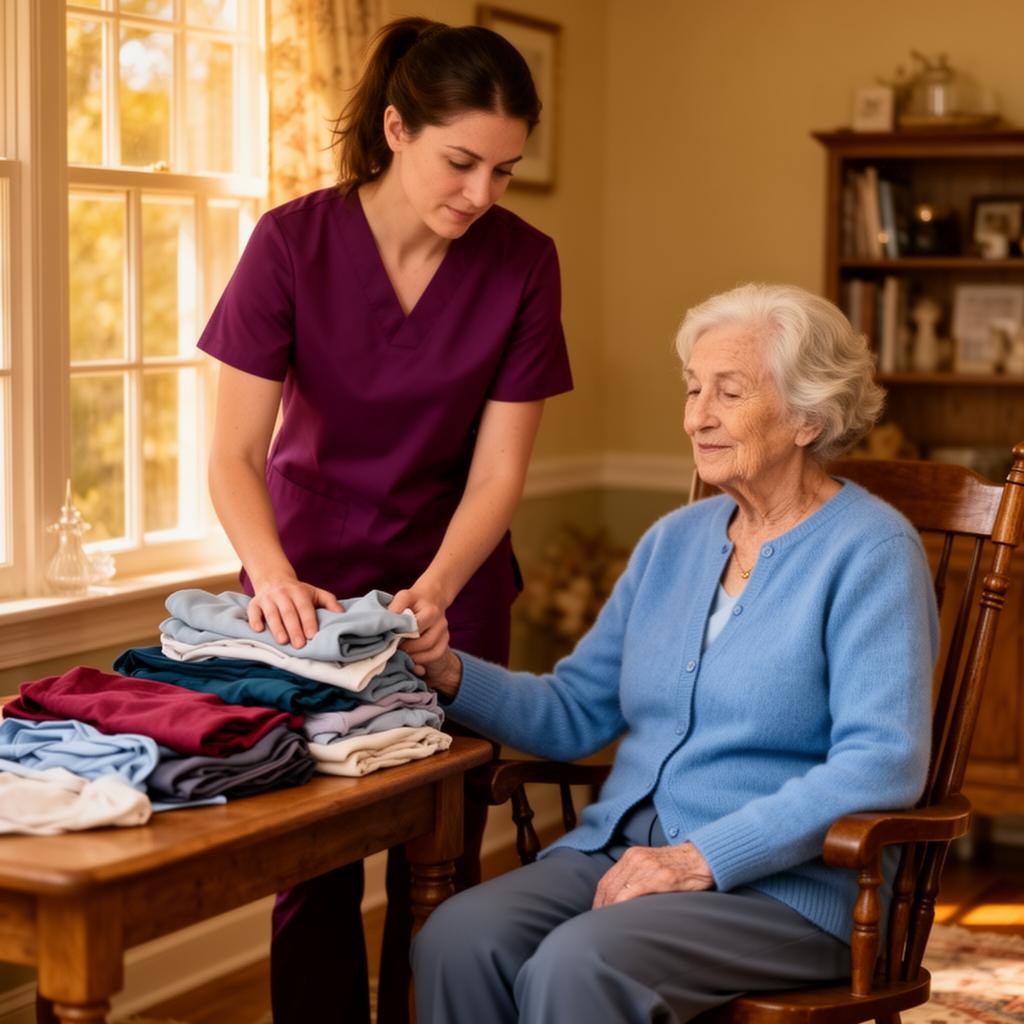
Home health (sometimes written 'home health care') is skilled medical care delivered in the home by licensed clinicians — registered nurses, physical therapists, occupational therapists, speech-language pathologists, and medical social workers. It is ordered by a physician, time-limited, and almost always tied to a specific recovery: a hospital discharge, a new diagnosis, a surgery, or a wound that needs management. Home care (also called non-medical home care, personal care, or attendant care) is hands-on, ongoing help with the activities of daily living — bathing, dressing, meals, medication reminders, mobility, companionship, transportation, and the small routines that anchor a senior's day. It is not ordered by a doctor and is not tied to a recovery window.
Home care — non-medical, ongoing, paid privately or by Medicaid waivers
In Baton Rouge, non-medical home care is provided by licensed HCBS Personal Care Attendant agencies under LAC 48:I Chapter 50. Caregivers are not nurses; they are trained personal care attendants who help with the activities of daily living and provide companionship. Visits are typically four to twelve hours and may run multiple days a week, overnight, or 24/7. The work is built around the senior's day, not a clinical task. Funding comes from private pay, long-term care insurance, Louisiana Medicaid waivers (Community Choices Waiver and LT-PCS, administered through OAAS), VA benefits, and in some cases life insurance conversion. Medicare does not cover non-medical home care.
Home health — medical, short-term, paid by Medicare after hospital
Home health is intermittent skilled care for homebound Medicare beneficiaries who meet specific criteria — typically a few weeks after a hospital stay, with a clear medical recovery goal. Visits last 30 to 60 minutes and happen two or three times a week for a defined period (often 60-day certification windows). The nurse changes a wound dressing, the physical therapist runs a balance routine, the speech therapist works on swallowing exercises. Once the clinical goal is met, Medicare ends the benefit, even if the family still needs help. This is the most common reason families discover the gap between home health and home care — the home health team leaves, and the family realizes the day-to-day support they thought would continue is not covered.
Not sure which one mom needs? Let's talk it through.
When you need both at the same time
After a hospital stay — a hip replacement, a heart event, a stroke, a serious fall — many Baton Rouge families need both home health and home care simultaneously. Home health handles the medical recovery: wound care, therapy, medication management. Home care handles the rest of life: bathing your mother safely while the new mobility is shaky, preparing meals when standing in the kitchen is too much, sitting with her through the long afternoons when family can't be there. The two teams coordinate through a shared care plan, and a good home care agency talks to the home health nurse before the first visit so nothing falls between them.
How to coordinate home care + home health in Baton Rouge
- Before discharge, ask the hospital social worker which home health agency has been assigned and what the certification covers.
- Bring your home care agency in early — ideally the day of discharge — so the first 48 hours are covered while home health is still ramping up.
- Make sure the home care caregiver and the home health nurse have each other's contact info and the senior's medication list.
- Schedule the home care shifts around the home health visits so the senior is not alone for the rest of the day.
- Plan for the home health benefit to end. Decide together what the home care plan looks like the week after.
The Louisiana-specific rules that affect this decision
Louisiana licenses home health agencies and HCBS personal care agencies under different sections of state regulation, with different staffing, oversight, and billing rules. A small number of large national chains hold both licenses, but most local Baton Rouge agencies — including ours — focus on one. Aging Gracefully is licensed for non-medical home care under LAC 48:I Chapter 50 and partners with home health agencies when families need both. Louisiana Medicaid covers non-medical home care for eligible seniors through the Community Choices Waiver (CCW) and Long-Term Personal Care Services (LT-PCS) programs administered by OAAS — see our Louisiana Medicaid waivers guide for detail. Medicare home health is governed by federal rules and is identical state to state.
How to ask the right questions of each provider
- •Ask the home health agency: how many weeks is the certification, what specific clinical goal triggers discharge, and what does the family do the day the benefit ends?
- •Ask the home care agency: how do you coordinate with home health, can you start the day of discharge, and what does your caregiver hand-off to the next caregiver look like?
- •Ask both: who do I call at 11 p.m. on Saturday if something goes wrong?