The senior loneliness epidemic — and why it shortens lives
The U.S. Surgeon General has called loneliness a public health crisis. For older adults, the numbers are stark: chronic loneliness is associated with a 26% increased risk of premature death, a 29% increased risk of heart disease, a 32% increased risk of stroke, and roughly a 50% higher risk of dementia. The biological mechanism is real — chronic social isolation elevates cortisol, weakens the immune system, raises blood pressure, and accelerates cognitive decline.
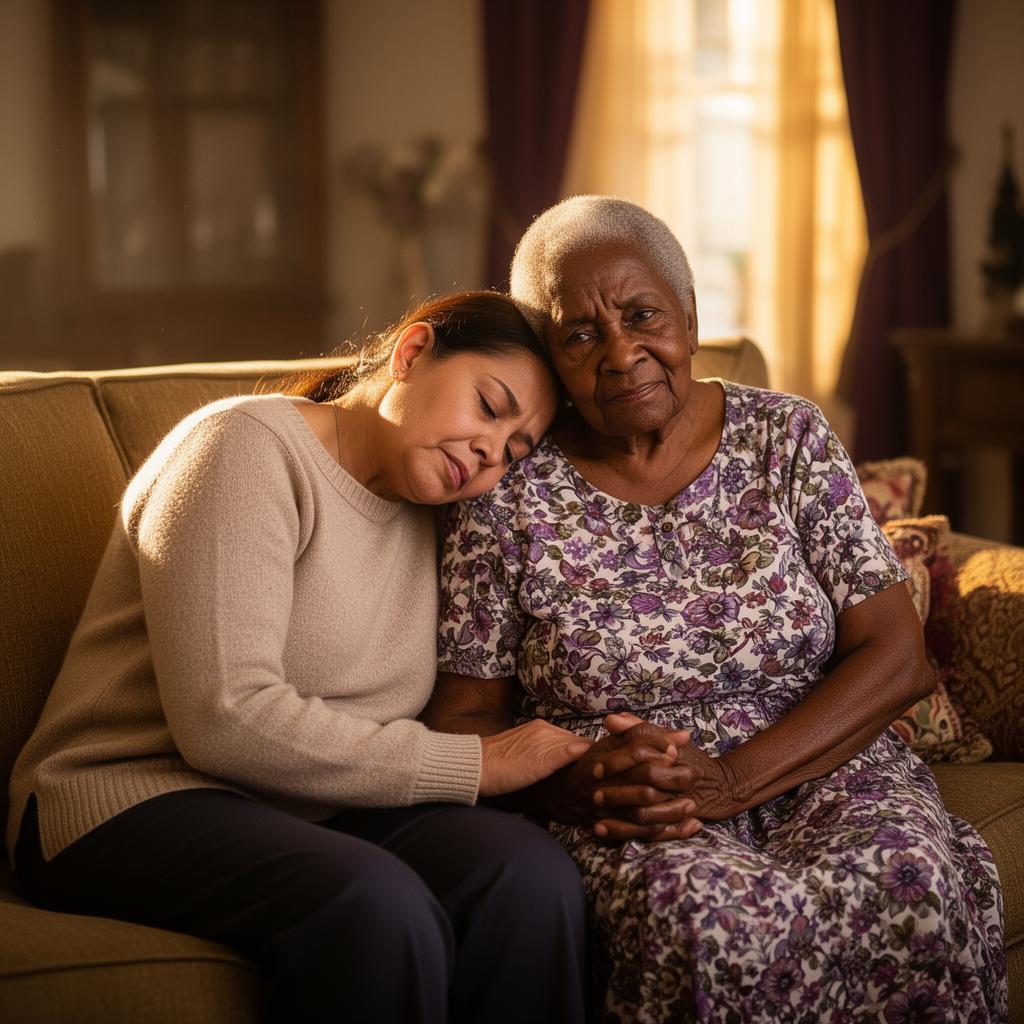
What loneliness looks like in a Baton Rouge home is rarely dramatic. The phone has gone quiet in both directions. Days blur together with no anchors and no plans. The TV is on for hours but no one is really watching. Hobbies that used to bring joy — gardening, cards with friends, the church choir — have stopped. Meals are skipped or eaten standing up at the counter. After a spouse, sibling, or close friend has died, the social structure that held a life together can disappear in months.
The hardest part for families is that loneliness rarely announces itself. Your parent will say they are fine. They will tell you not to worry. They will sound cheerful on the Sunday phone call. Then you visit in person and find the unopened mail, the empty fridge, the same shirt two days running, and the quiet that has settled into the house. Companion care addresses the cause, not just the symptoms.
What companion care actually looks like, hour by hour
Companion care is non-medical, relationship-first support. There is no bathing, no medication administration, no clinical agenda. The caregiver's job is to be present, attentive, and engaged — sharing the day in whatever shape your loved one wants it to take.
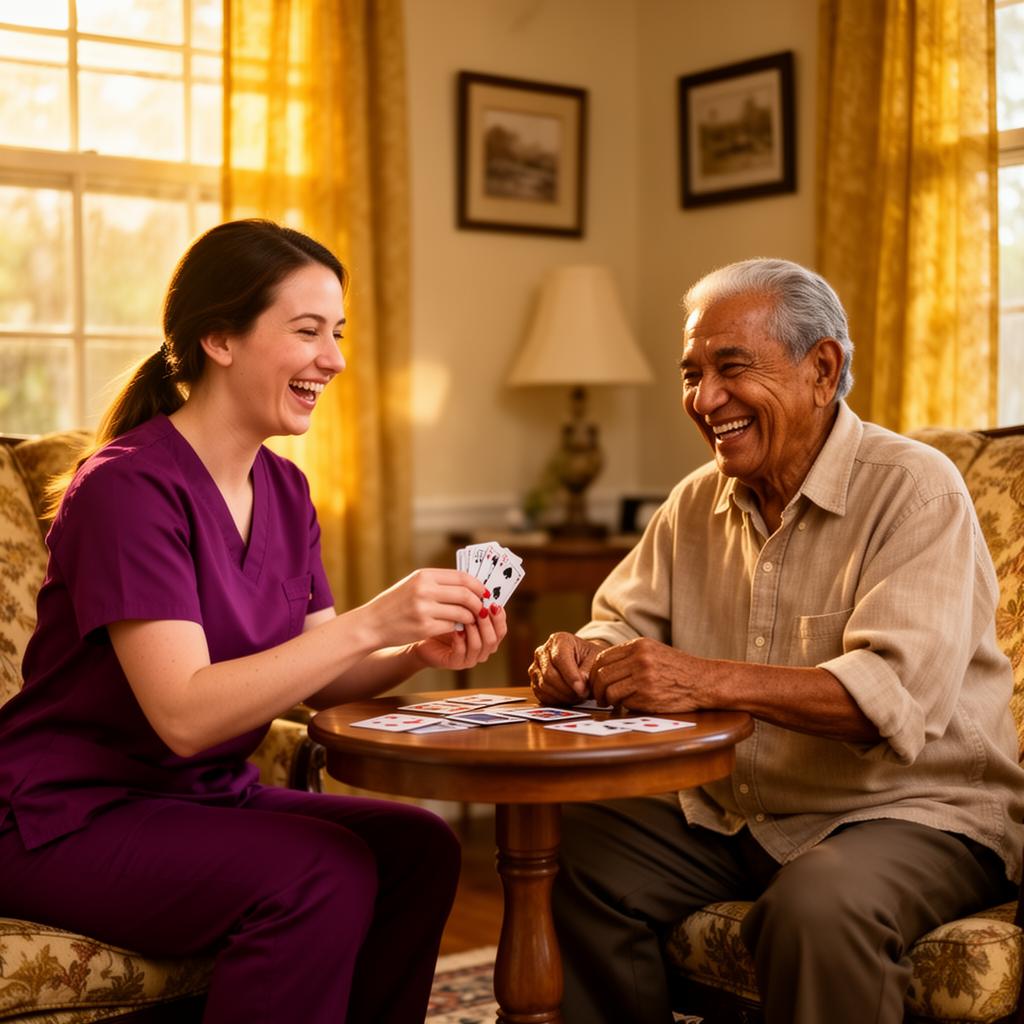
A typical three-hour companion visit might unfold like this: arrival, a real greeting (not a clipboard), a cup of coffee at the kitchen table, 20 minutes of unhurried conversation about how the week has been. Then a chosen activity — a card game, the photo album from 1962, a walk around the block, a phone call to the daughter in Houston that the caregiver helps set up. Then a shared lunch, eaten at the table together because eating with company is one of the most reliable ways to bring back appetite. Then a tidy up, a load of laundry started, and the next visit on the calendar before the caregiver leaves.
- •Real conversation — not small talk, not background noise
- •Shared hobbies: cards, dominoes, puzzles, gardening, cooking, scrapbooks, reading aloud, watching old movies together
- •Walks indoors or outdoors at their pace
- •Light tech help — phone calls and video chats with grandkids, photos, music
- •Accompaniment to church, lunch out, doctor visits, or family gatherings
- •Errands and grocery runs together when your parent wants to come along
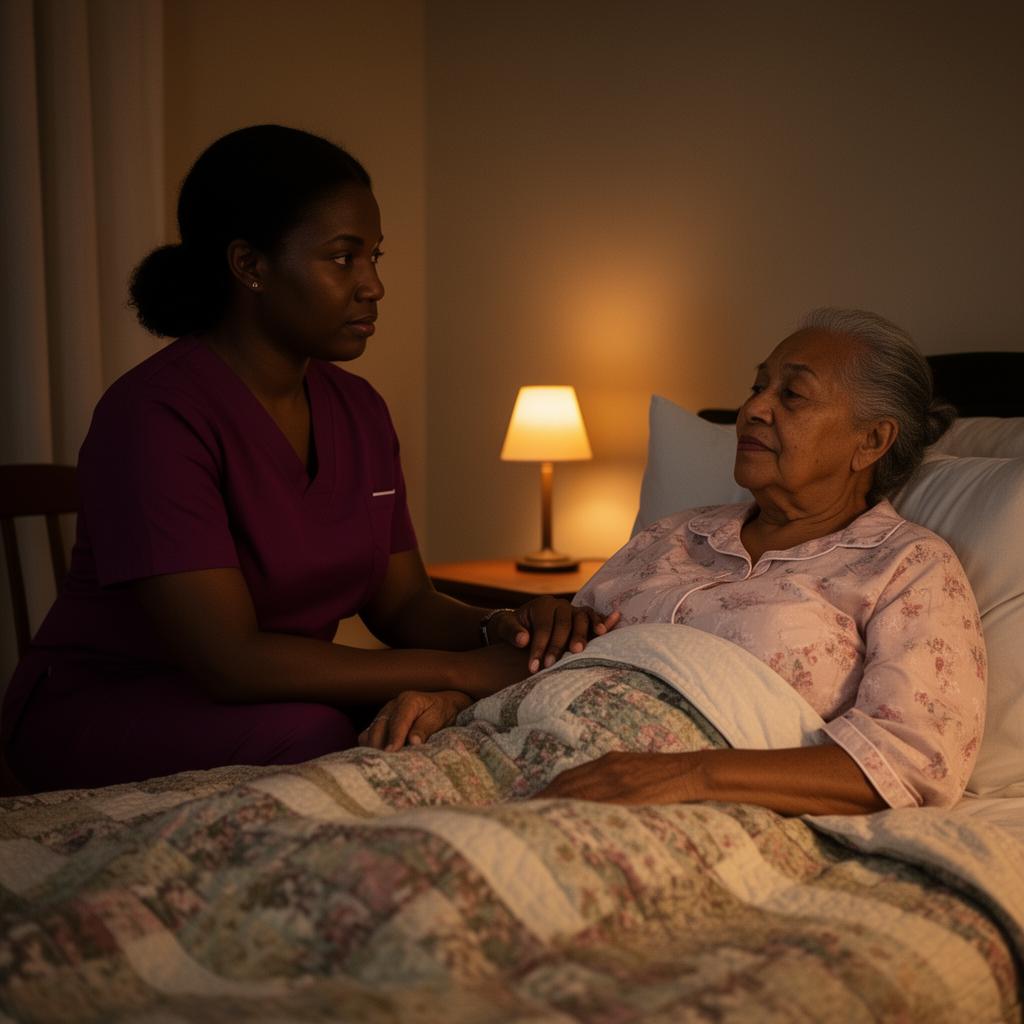
- •Quiet companionship when that is what the day calls for — sometimes the visit is just being in the same room while she reads
Why "just sitting" with someone is real care
Families sometimes wonder if companion care is worth the cost. "All she really does is sit and talk with my mom — I could pay anyone for that." That is the most common misunderstanding about companion care, and it is exactly backwards.
Trained companion care is not just sitting. It is sitting attentively — noticing the slowed walk, the half-eaten plate, the story repeated three times in an hour, the bruise that no one mentioned. It is holding a conversation that meets your parent where she is today, not where she was last year. It is knowing when to bring up the photo album and when to leave a comfortable silence. It is being insurance against the slow drift into deeper isolation that is harder to reverse the longer it goes on.
And the practical math is real. A few hours of companion care a week often prevents the cascading problems — falls, medication mistakes, malnutrition, depression, hospitalization — that cost a family far more in money and stress than the visits themselves. Our families consistently tell us that companion care was the single best decision they made for their parent.
Worried your loved one is alone too much? Let's visit.
The activities that actually engage seniors (not crafts)
There is a particular kind of activity programming that gets pushed at older adults — coloring sheets, simple crafts, generic games designed for a five-year-old. Most adults who lived rich lives find that condescending and dispiriting. The activities that actually engage seniors are the ones that connect to who they have been their whole life.
- •Cooking together — old family recipes, the dishes she made for 40 years. Even if she just sits at the table and directs.
- •Going through photo albums and labeling photos for grandchildren — both engaging and a real legacy gift
- •Music from their era — playing it, talking about it, sometimes dancing in the kitchen
- •Cards and games they have always played — bridge, dominoes, gin rummy, Scrabble. Real games, not simplified versions.
- •Gardening, even container gardening on the porch
- •Watching baseball, cooking shows, classic movies — and actually talking about them
- •Writing or recording family stories — the caregiver helping organize them
- •Walks, indoor laps, or seated exercises that move the body
- •Phone calls and video chats with family the caregiver helps set up
- •Reading aloud — newspapers, books, devotionals, the things they have always read
The honest rule is simple: ask what they have always loved doing, then do that with them at whatever pace works today. The activity is almost never the point — the connection is.
How companion care delays or prevents memory decline
The research on social engagement and cognitive health is increasingly clear. Older adults who maintain regular meaningful social contact have measurably slower cognitive decline, lower rates of dementia, and better mood and physical health than those who become socially isolated. The mechanism appears to be a combination of cognitive stimulation (real conversation requires attention, memory, language, judgment), reduced chronic stress, and the sheer protective effect of having reasons to engage with the world.
Companion care does not cure dementia or stop Alzheimer's. But for a parent in early cognitive change, regular companion care visits give them several hours a week of structured, engaging interaction — exactly what the research suggests preserves function longest. For families noticing early signs of memory change, our memory care guide walks through how to layer companion care alongside other supports.
How we match a companion caregiver in Baton Rouge
Companion care lives or dies on chemistry. The right caregiver becomes a real presence in the home — someone your parent looks forward to seeing, asks for by name, and feels comfortable with on the hardest days. The wrong caregiver feels like an awkward houseguest who will not leave. The match matters more than any other single factor.
Our matching process looks at several things: temperament (quiet companion for a quiet client, lively companion for a more social one), shared interests (a former teacher with someone who reads voraciously, a former cook with someone who lives in the kitchen), language and cultural fit, schedule compatibility so the same person can come every visit, and the practical logistics of where in the parish the caregiver lives.
We get the match right most of the time on the first try. When we do not, we re-match without making it a big deal. Tell us after the first visit if it is not clicking, and we will introduce someone else. The goal is for your parent to have one trusted companion they see consistently — not a rotating cast.